A room is never neutral. You knew this as a child. The basement that made your chest tight. The corner of the library where you could finally breathe. Your nervous system was reading the space before you had words for it.
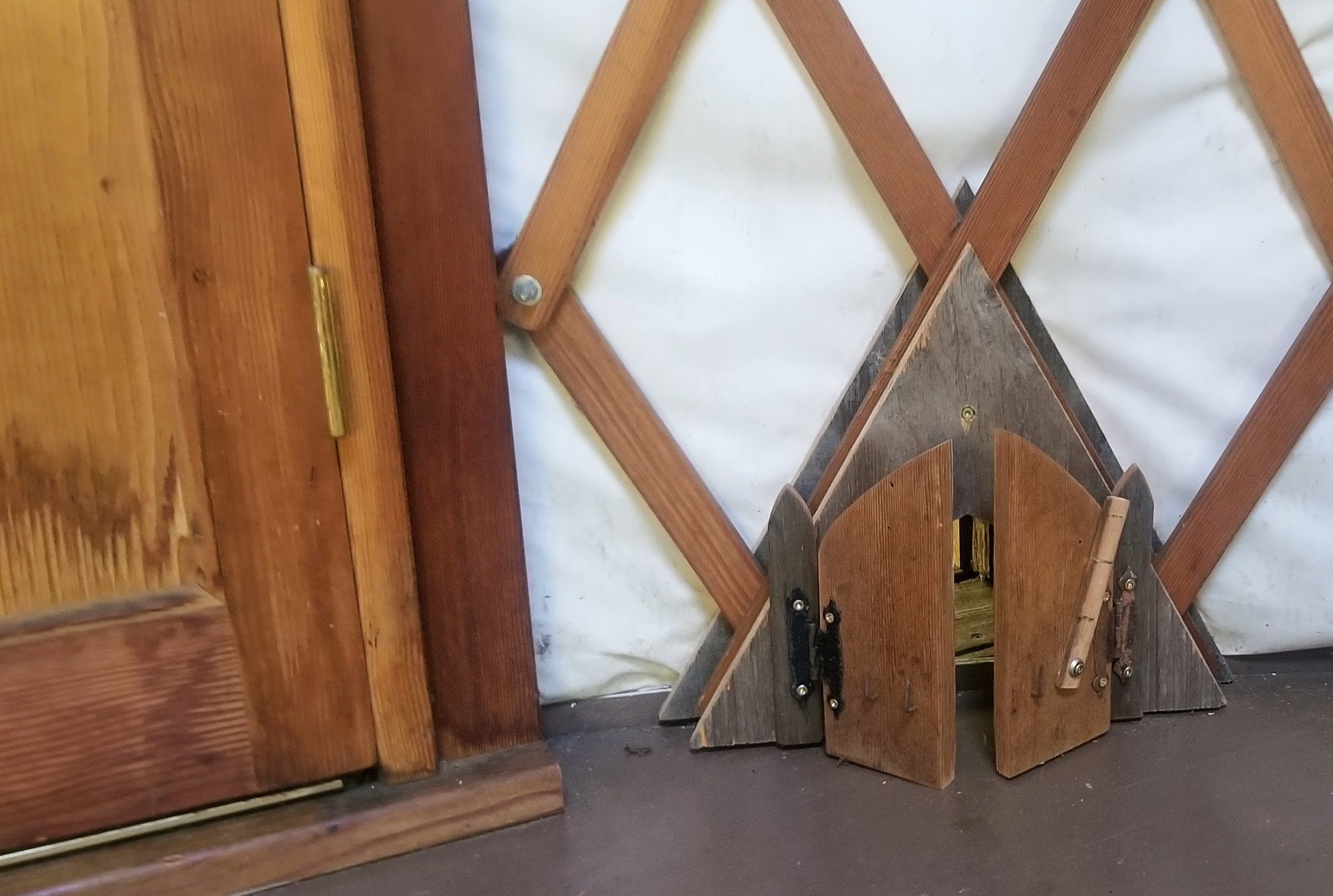
Sometimes a space needs another door.
Most spaces are designed for function or aesthetics. I work on a third thing: how a space feels to the body inside it. This isn't mystical. It's just paying attention to what's already happening.
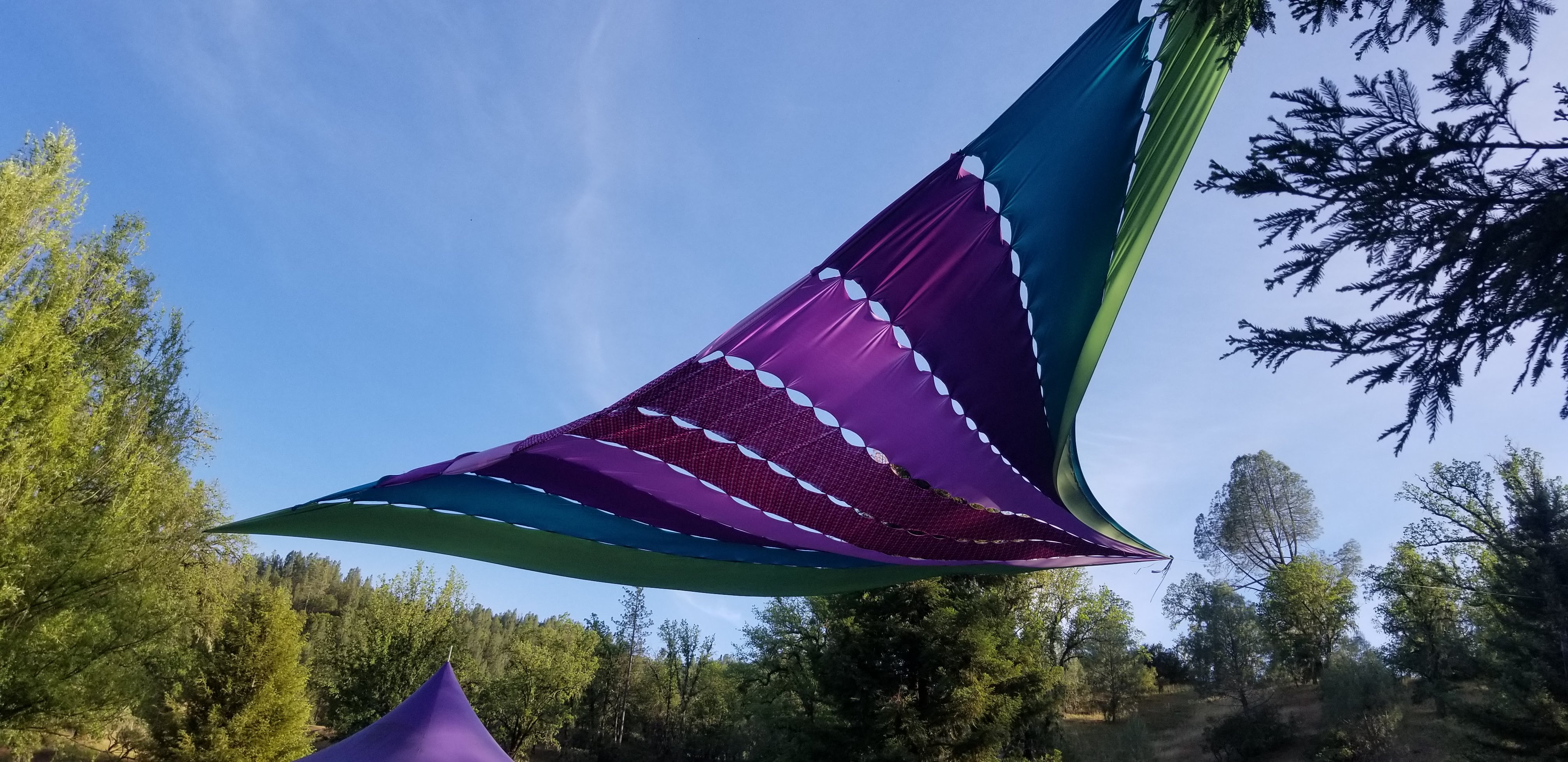
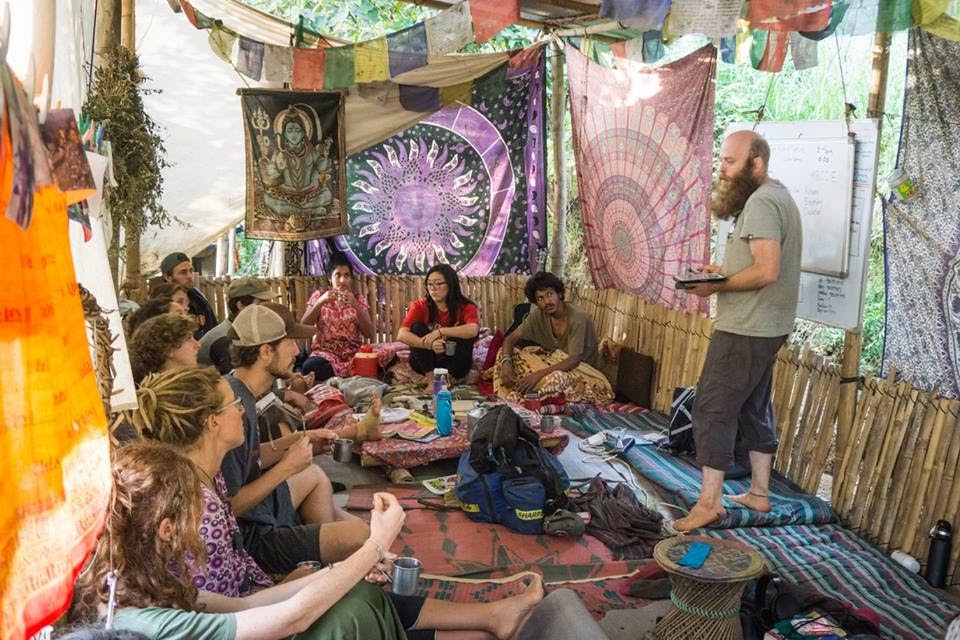
Sometimes the space needs both shade and a little shape.
The height of a ceiling. The quality of light. Whether a hallway feels like an invitation or an ambush. These aren't just design choices—they're nervous system inputs. And most of us are walking through spaces that were never designed with our nervous systems in mind.
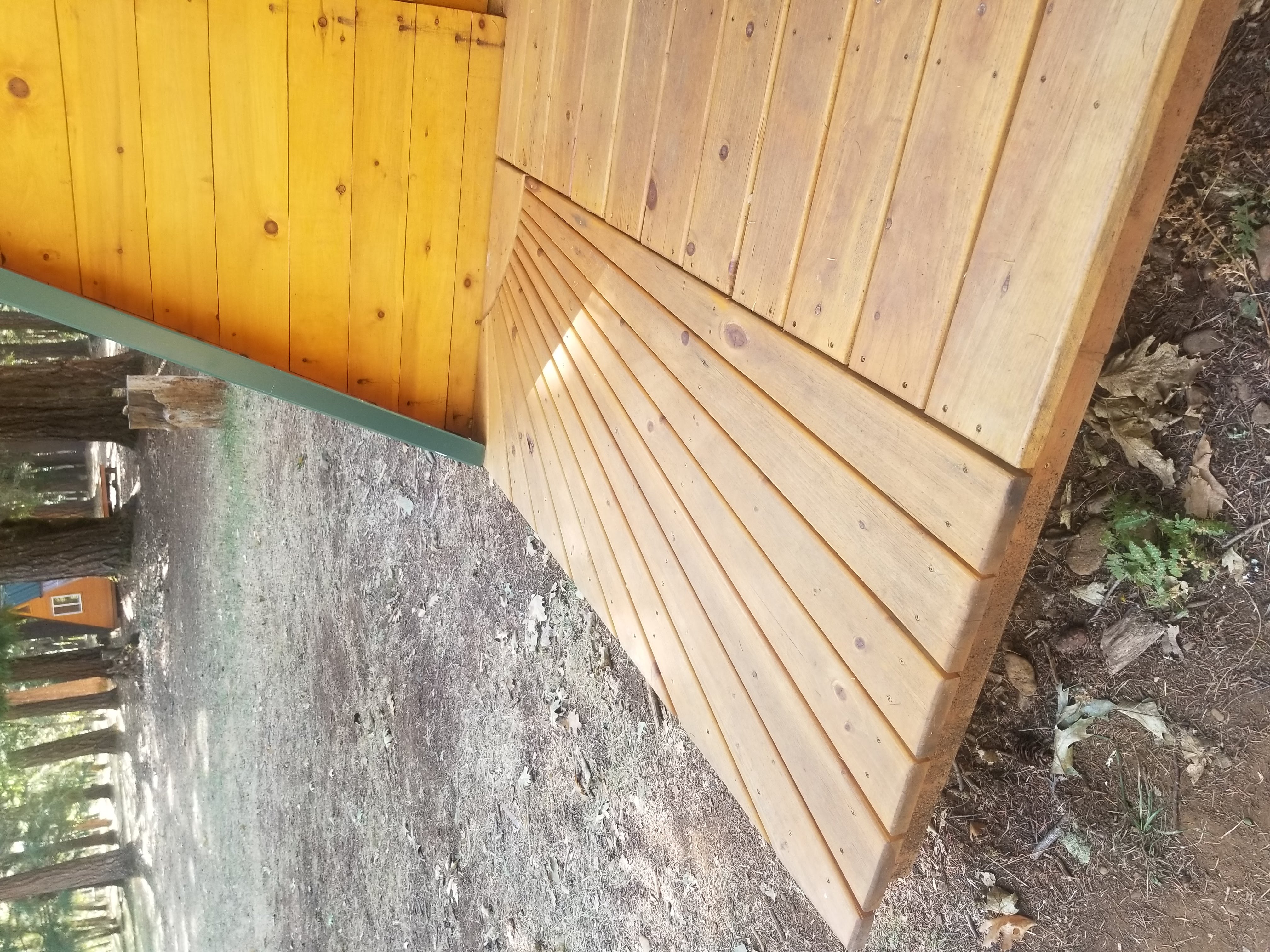
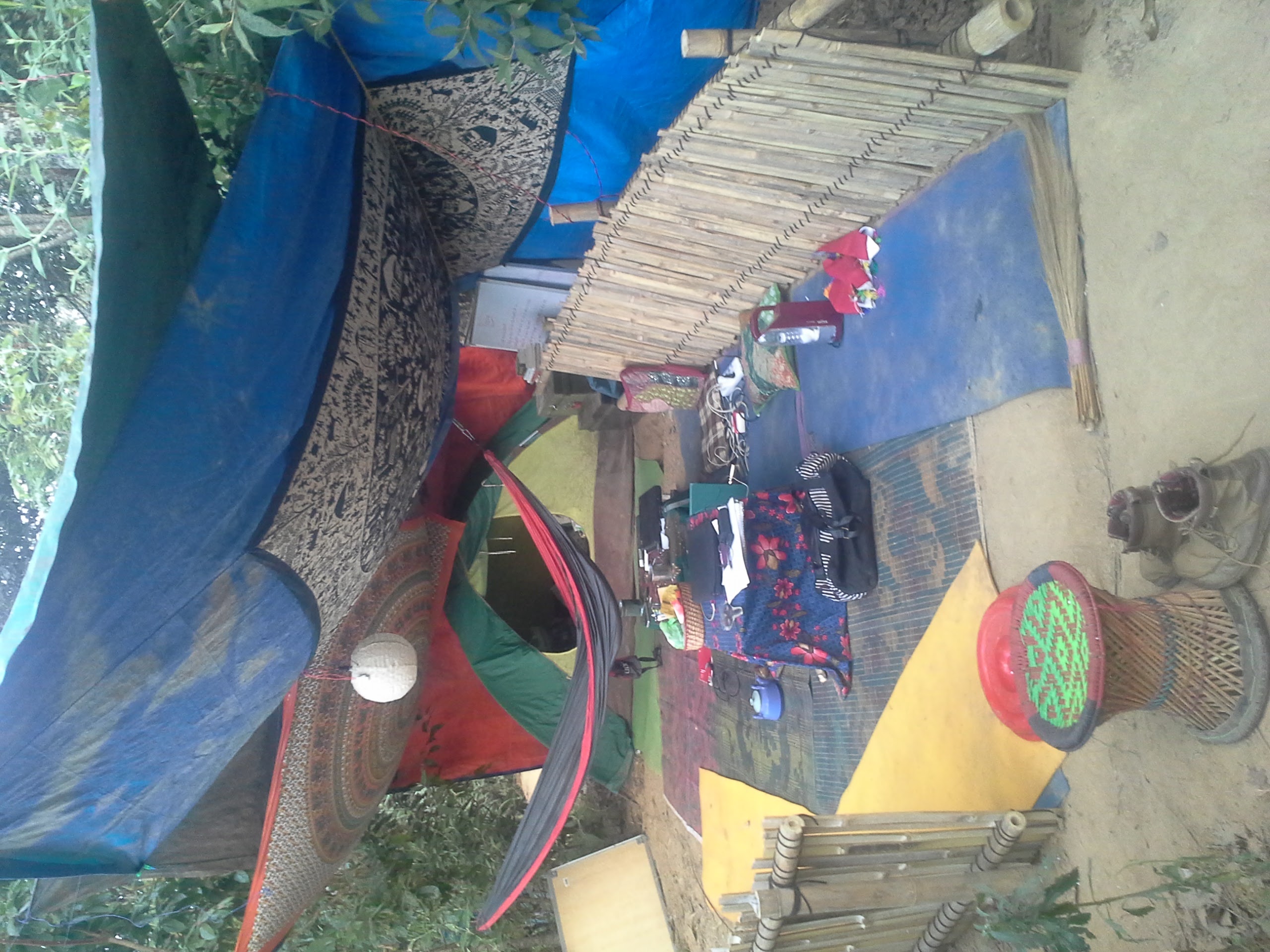
Sometimes the deck needs to be a little longer than the boards we have.
I consult for retreat centers, festivals, workplaces, healthcare settings—anywhere that serves sensitive populations, or wants to. Sometimes that means a site report. Sometimes it means collaborating from concept through build. Sometimes it just means teaching people to see what was already there.

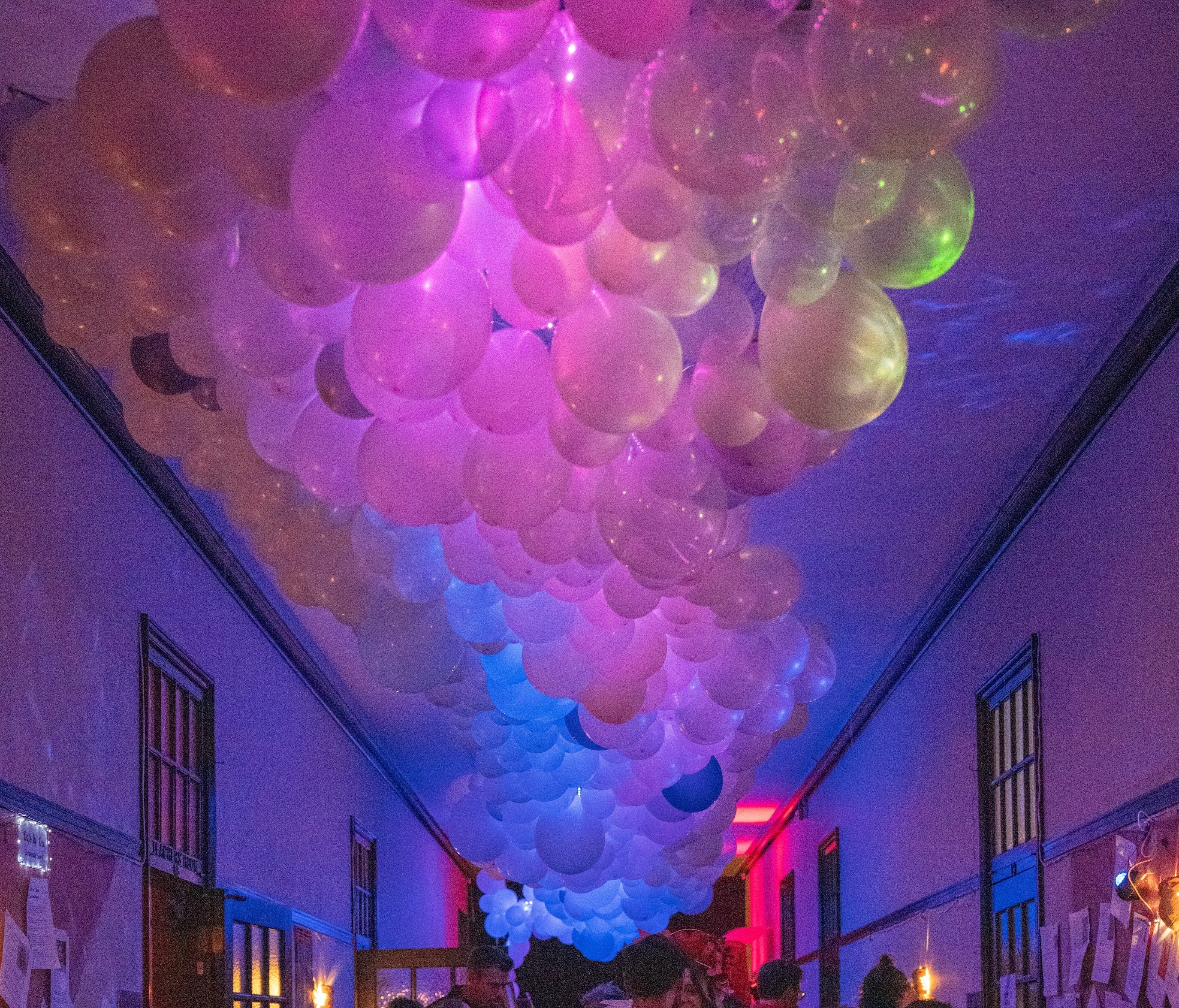
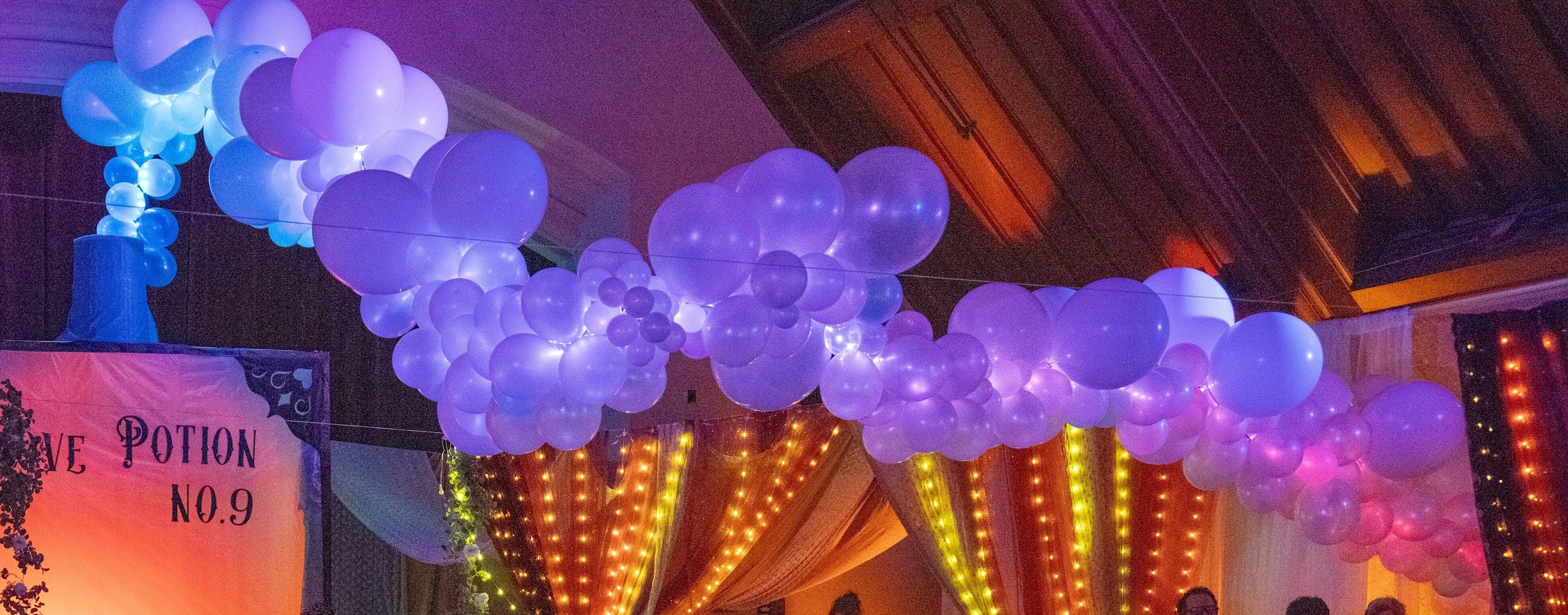
Sometimes the space needs more whimsy.
What I Offer
Site Consultations
I walk your space and deliver a report on flow, sensory load, rest zones, and regulation opportunities. This covers basics like replacing fluorescent lights, but also subtler aspects: airflow, use patterns, sources of frustration, and missed opportunities for peace. Sometimes it is adding elements of fantasy or playfulness. What is the opposite of barbed wire or cracked concrete? Recommendations range from adding plants and swapping a lightbulb to larger remodeling suggestions.
Design Collaboration
For architects, producers, and planners building something new, I consult on the somatic experience from concept through build. What I offer is simpler and less costly than an interior designer. Think of it as a sensory inspection. I notice irritants and disharmonies in a design and offer the easiest corrections.
I've worked for years in construction, implementing designs built on computers by people with great vision but not always a close relationship with the materials themselves. Part of my neurodivergent superpower is feeling spaces before they're built, noticing what won't land right, and saving you thousands by catching it before it's too late.
Workshops
Teaching teams to see their environments through a nervous system lens, and to notice who gets heard in them. What if we reversed the usual power dynamics? What if the quietest voices, the ones who always acquiesce, had space to shape the room too?